Key Points to Consider in Apartment Floor Plans
Ensure the floor plan includes safety features, such as easily accessible emergency exits, staircases, and fire escapes. Accessibility should also be considered for all family members, including elderly or disabled individuals. A floor plan with wide doorways, level floors, and ramps can be more accommodating.
Space Utilization
Efficient space utilization is crucial in a good floor plan. Ensure that the design maximizes the use of available space with minimal wastage. Look for a layout that offers well-defined living areas, such as the living room, bedrooms, kitchen, and bathrooms, without awkward or unusable spaces.

Room Size and Proportions
The size and proportion of each room should align with your needs. For instance, bedrooms should be spacious enough to comfortably accommodate furniture, while the living room should offer enough space for seating and entertainment. Consider whether the room sizes are adequate for your lifestyle and future needs.
Flow and Connectivity
A well-designed floor plan offers smooth flow and connectivity between different apartment areas. For example, the kitchen should be easily accessible from the dining area, and there should be a logical flow from the entrance to the living spaces. Avoid floor plans that feel cramped or disjointed.
Natural Light and Ventilation
Ample natural light and good ventilation are essential for a healthy and pleasant living environment. Consider the orientation of the apartment and the placement of windows to ensure that each room receives adequate sunlight and fresh air. Floor plans with multiple windows and balconies are generally more desirable.
Privacy
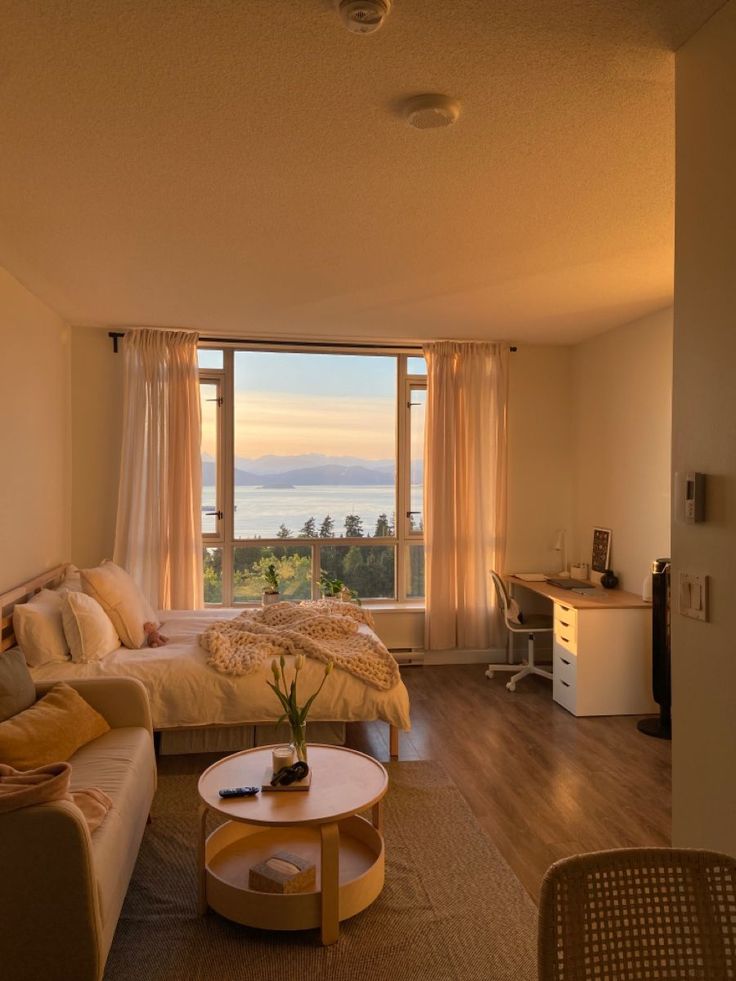
Privacy is an important consideration in apartment living. Evaluate whether the floor plan offers sufficient privacy for bedrooms and bathrooms. For instance, bedrooms should be positioned away from high-traffic areas like the living room or kitchen. Also, check if the layout minimizes visibility from neighbouring units.
Flexibility
A flexible floor plan allows for adaptability over time. Consider whether the design can accommodate changes, such as converting a study into a bedroom or reconfiguring living spaces to suit different needs. This flexibility can add value to the apartment in the long term.

Vaastu or Feng Shui Compliance
Depending on your beliefs, consider whether the floor plan aligns with Vaastu Shastra, Feng Shui, or other design principles that promote positive energy flow. These considerations can influence the placement of rooms, entrances, and other features.
Kitchen and Storage Space
The kitchen is a key functional area in any home, so assess its layout, size, and storage options. A well-designed kitchen should offer ample counter space, storage cabinets, and easy appliance access. Additionally, check for sufficient storage throughout the apartment, such as closets, wardrobes, and utility rooms.

Balconies and Outdoor Spaces
Balconies and outdoor spaces add to the apartment’s appeal and can serve as living area extensions. Consider the size, orientation, and usability of these spaces. A balcony with a pleasant view or accommodating seating can significantly enhance your living experience.
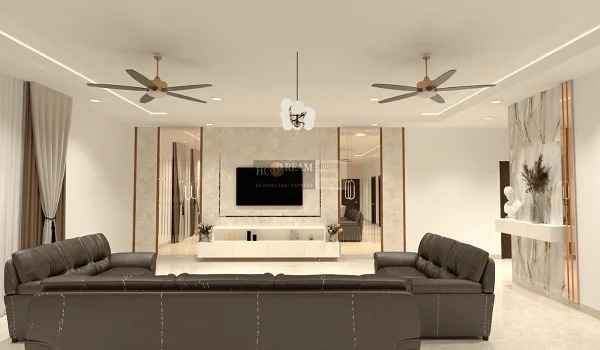
 Essential key points to consider on floor plan details